 Merken
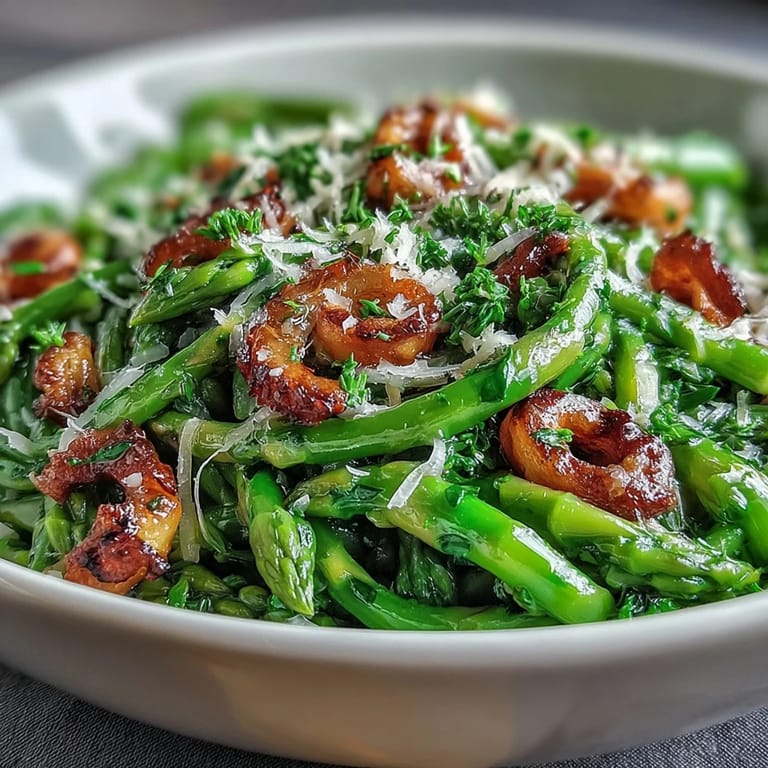
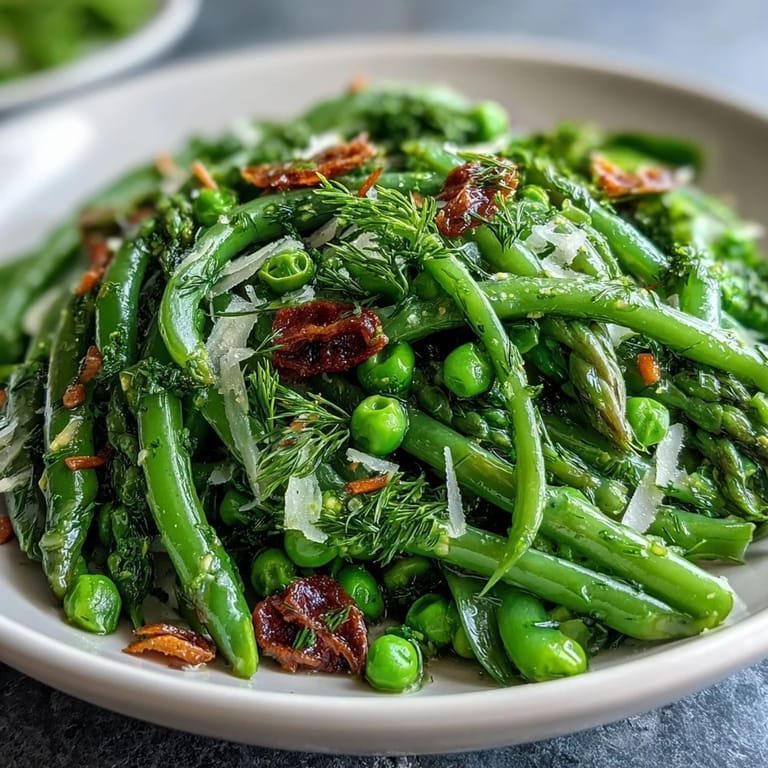
 Last spring, I stood in my kitchen on a gray Tuesday morning, staring at a bunch of asparagus that had somehow survived the week in my crisper drawer. Instead of roasting it as I usually do, I grabbed my vegetable peeler out of curiosity and dragged it across a stalk, watching it curl into a delicate ribbon. That single moment of improvisation turned into this salad—one that now feels less like a recipe and more like a habit I can't break when the weather turns warm.
I served this to my sister one weekend when she was going through a phase of trying to eat lighter, and she actually asked for the recipe before she'd finished her plate. That doesn't happen often with her, so I knew I'd stumbled onto something she'd make again. Now when she visits in spring, it's the first thing she asks me to make.
Ingredients
- Fresh asparagus: Look for thin to medium spears with tight tips—they shave more beautifully than thick, woody ones, and you'll get longer ribbons that feel elegant on the plate.
- Green peas: Fresh peas in season are worth seeking out, but frozen work just as well and honestly taste fresher since they're frozen at peak ripeness.
- Baby arugula or mixed spring greens: The peppery bite of arugula is what keeps this salad from feeling one-note, so don't skip it or swap it for plain lettuce.
- Radishes: They add a crisp snap and a subtle heat that balances the sweetness of the peas and the richness of the cheese.
- Shaved Parmesan cheese: Use a vegetable peeler on a wedge of good Parm—those thin shards melt slightly into the warm vegetables and dress dressing instead of sitting heavily on top.
- Toasted pine nuts or slivered almonds: Toasting them yourself makes all the difference; it wakes up their flavor and adds a nutty depth you won't get from raw nuts.
- Extra-virgin olive oil: This is where you taste the quality, so buy something you actually enjoy the smell of.
- Fresh lemon juice: Bottled juice will make the dressing taste thin and sour—squeeze your own lemons every time, no shortcuts.
- Lemon zest: A microplane grater makes this effortless and gives you those fine, fragrant pieces that burst with flavor.
- Honey or maple syrup: Just a touch rounds out the sharp acidity of the lemon and keeps the dressing from tasting one-dimensional.
- Dijon mustard: It acts as an emulsifier, helping the oil and lemon juice come together smoothly, and adds a subtle complexity.
- Sea salt and black pepper: Grind your pepper fresh—pre-ground tastes faint and dusty by comparison.
Tired of Takeout? 🥡
Get 10 meals you can make faster than delivery arrives. Seriously.
One email. No spam. Unsubscribe anytime.
Instructions
- Shave the asparagus into ribbons:
- Hold each stalk steady on your cutting board and drag your vegetable peeler from the tip down toward the base, rotating as you go to catch all sides. Stop when the peeler reaches the pale, pithy core—that part stays tough and fibrous no matter how thin you slice it.
- Build your salad base:
- Toss the ribboned asparagus with the peas, greens, and radishes in a big bowl, using your hands if you need to—it's gentler than a spoon and you get a feel for how the vegetables are combining. You're just mixing at this stage, not dressing yet.
- Make the dressing:
- Whisk the olive oil, lemon juice, zest, honey, mustard, salt, and pepper together in a small bowl or jar, and keep whisking until the mixture comes together into something silky rather than separated. This emulsification is what makes the dressing coat the vegetables evenly instead of pooling at the bottom of the bowl.
- Dress and finish:
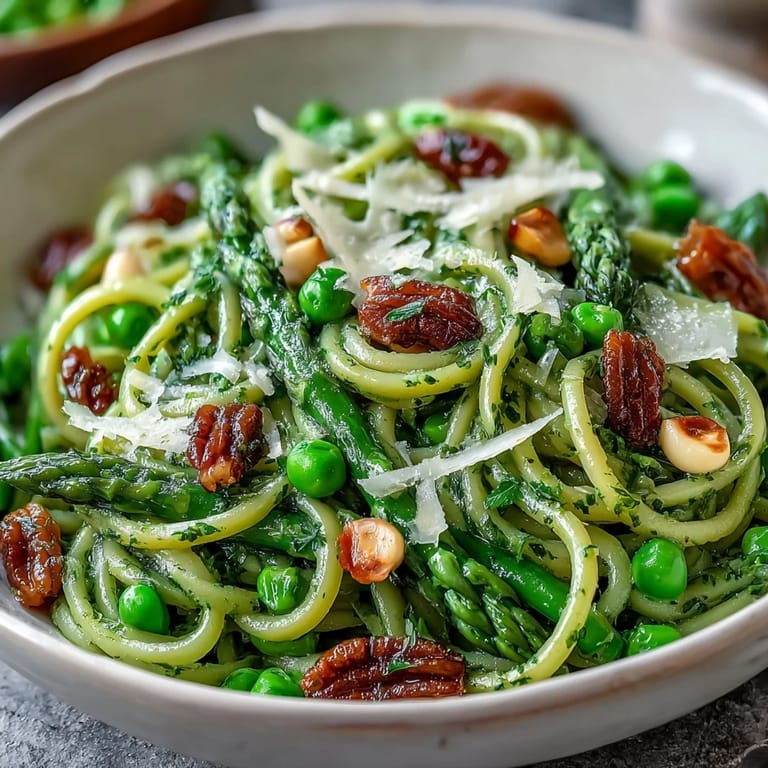
- Pour the dressing over the salad and toss gently a few times—you want every piece touched by that bright lemon, but you're not trying to bruise the greens. Scatter the Parmesan shards and toasted nuts over the top, give it one final, light toss, and serve right away while everything is still crisp.
 Merken
 One evening, I made this for a small dinner party where everyone was bringing something, and a guest asked if the asparagus was cooked. When I said no, she looked genuinely surprised—the shaving technique had transformed something she'd only ever encountered hot and soft into something almost raw and delicate. It was a small moment, but it reminded me how a different approach to a familiar ingredient can make people experience it entirely differently.
The Magic of Shaved Vegetables
Once you realize you can peel asparagus into ribbons instead of chopping it, the technique opens up to other vegetables too. I've done the same thing with raw zucchini, summer squash, and even thin carrots, and every time it creates this delicate, almost silky texture that feels fancy without requiring any special skills. It's one of those kitchen tricks that looks like you spent hours on prep when really you spent two minutes with a peeler.
Why This Dressing Works
The lemon dressing is built on a balance that makes it work with almost any springtime vegetable. The mustard acts as both flavoring and emulsifier, helping bind the oil and acid together so they don't separate. A tiny touch of honey keeps everything from tasting sharp or acidic, and the lemon zest adds a brightness that regular juice alone can't quite deliver on its own.
Serving and Storing
This salad is best served the moment it's assembled—the whole appeal is the contrast between the crisp asparagus ribbons and the tender greens, and time works against you once the dressing has been added. If you do have leftovers, they're still delicious the next day, though the texture will be softer and less snappy.
- Store the dressed salad in an airtight container in the refrigerator for up to 8 hours if you must, though you'll notice the texture change.
- Keep the nuts and cheese separate if you're prepping ahead, and add them just before serving so they stay crisp and don't absorb moisture.
- This salad pairs beautifully with grilled fish, roasted chicken, or fresh burrata if you want to turn it into a more substantial meal.
 Merken
 This salad taught me that spring cooking doesn't have to be complicated to feel special—sometimes it's just about paying attention to what's at its peak and letting those ingredients speak for themselves. It's become my go-to when I want to feel like I'm eating something fresh and alive, even on the busiest days.
Fragen und Antworten zum Rezept
- → Wie lässt sich der Salat am besten zubereiten?
Schäle den Spargel mit einem Sparschäler in dünne Streifen und vermische ihn mit frischen Erbsen, Rucola und Radieschen. Das Dressing wird aus Zitronensaft, Olivenöl, Honig und Senf schnell angerührt und einfach über den Salat gegeben.
- → Wie kann ich den Salat vegan gestalten?
Für eine vegane Variante lasse den Parmesan weg oder ersetze ihn durch eine pflanzliche Alternative. Die Pinienkerne bleiben als nussige Komponente erhalten.
- → Welche Zutaten kann ich bei Allergien austauschen?
Bei Allergien gegen Milch oder Nüsse einfach Parmesan und Pinienkerne weglassen oder durch andere Samen wie Kürbiskerne ersetzen.
- → Kann der Salat im Voraus zubereitet werden?
Der Salat sollte möglichst frisch serviert werden, da Spargel und Dressing beim Durchziehen weich werden. Bereite ihn kurz vor dem Essen zu.
- → Welche Beilagen passen gut zu diesem Salat?
Er passt wunderbar zu gegrilltem Fisch oder Hähnchen, eignet sich aber auch als leichte Mahlzeit allein.